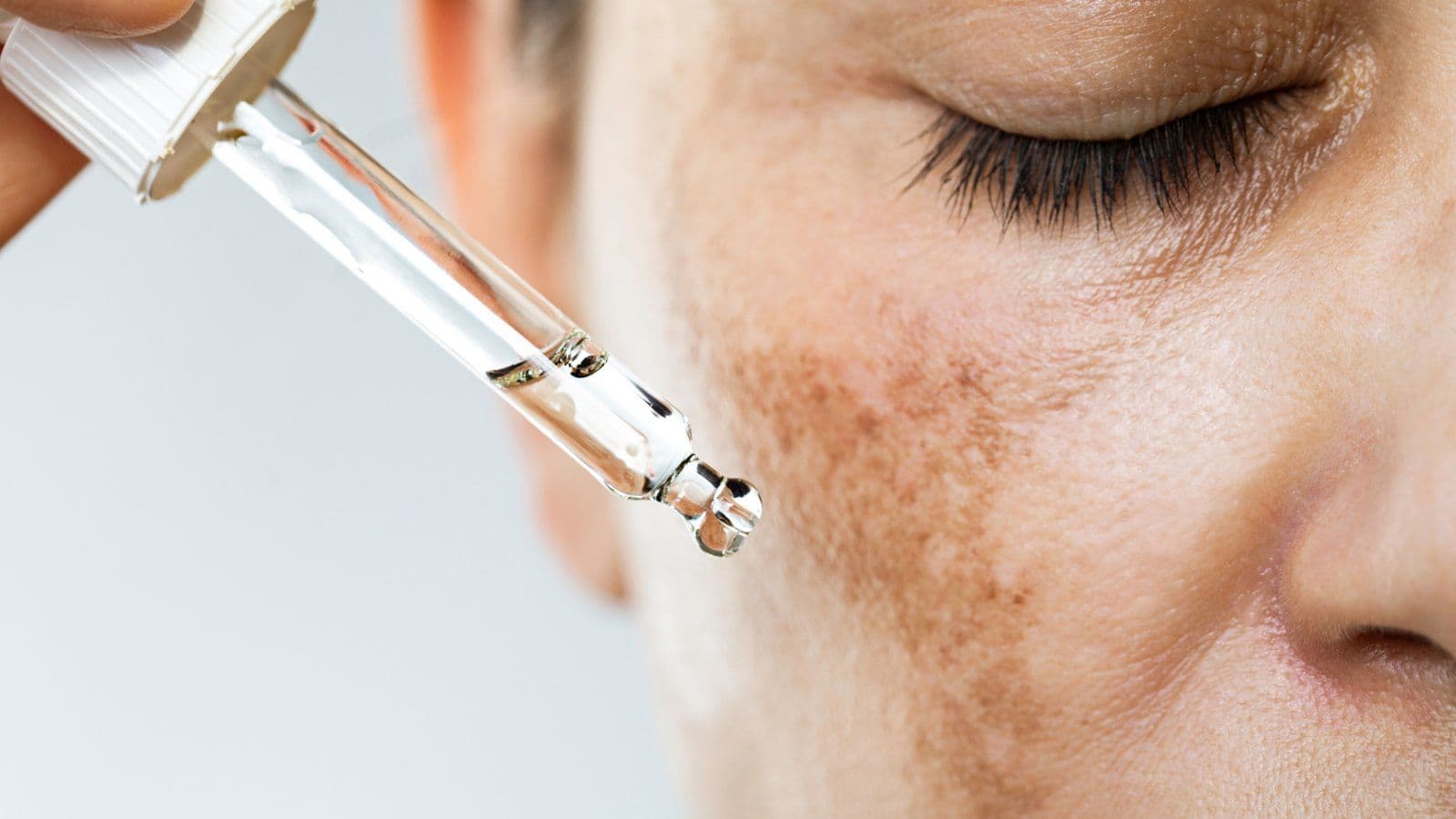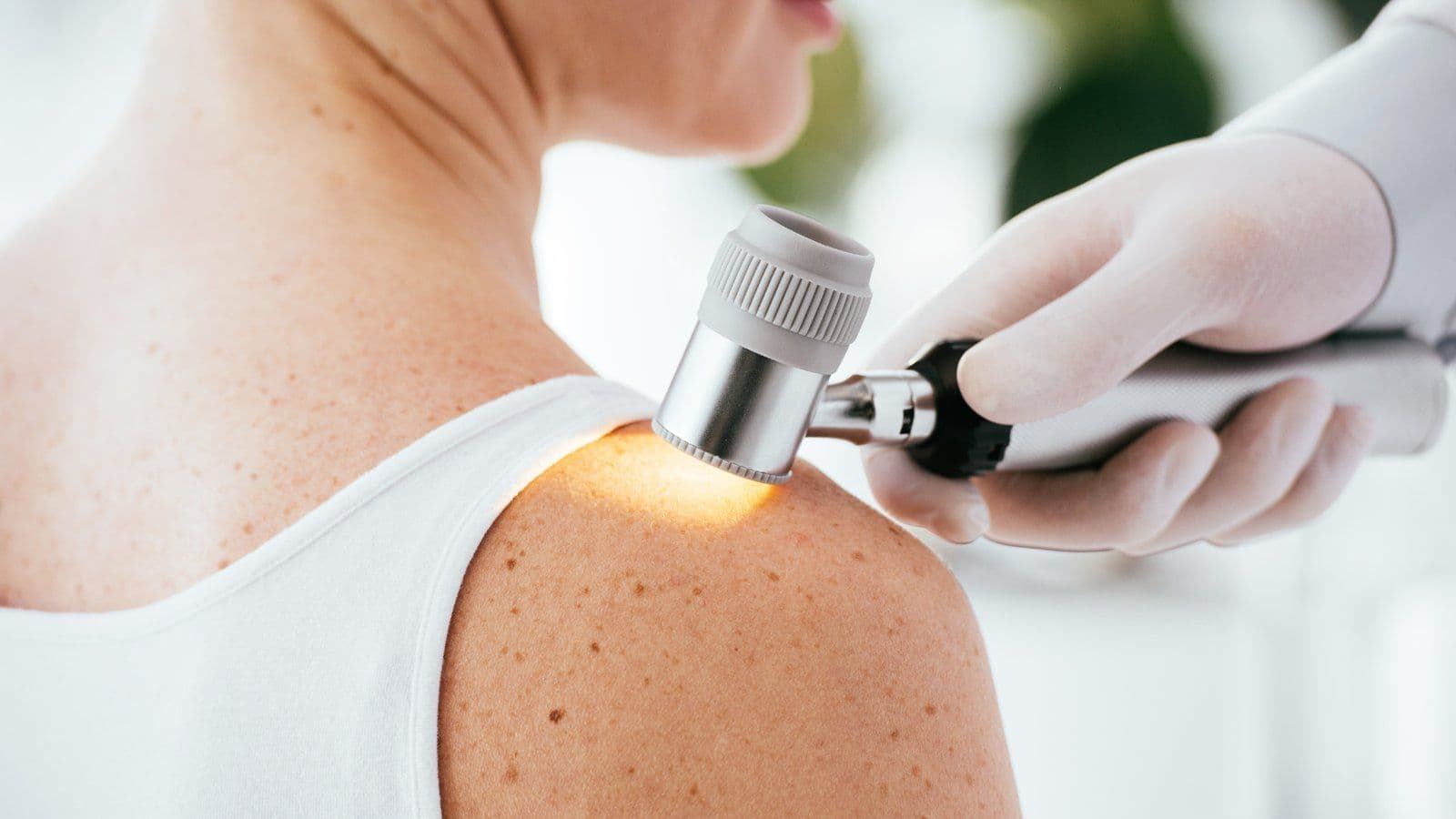
We talk a lot about moles and melanoma. Yet they aren't the most common skin cancers: carcinomas, basal cell and squamous cell, account for about 90% of cases. And they look nothing like a mole. Learning to recognise them means giving yourself the means to detect the most common skin cancers early, the ones your check-up refers to when it asks you about any skin lesions.
1. Why the ABCDE rule isn't enough
The ABCDE rule (Asymmetry, Borders, Colour, Diameter, Evolution) was designed to spot melanomas, which develop from pigment cells. But carcinomas arise from other skin cells: they aren't necessarily pigmented or "asymmetric," and so don't fit this grid. As a result, you can scrupulously monitor your moles and miss the most common skin cancer. Carcinomas have their own vocabulary of signs, which you need to know.
2. Basal cell carcinoma: the little bump that settles in
It's the most common skin cancer, and fortunately the least dangerous: it evolves slowly and almost never metastasises. But neglected, it can destroy the surrounding tissue. It most often looks like a small translucent, shiny "pearl," sometimes crossed by fine vessels, that settles in and grows slowly, especially on the face. It can also take the form of a wound that oozes, crusts over, bleeds at times and never really heals. Painless, it's easy to ignore.
3. Squamous cell carcinoma: the rough lesion that worsens
The second most common skin cancer, it's more concerning because it can metastasise. It often appears on the most exposed areas: face, ears, lips, balding scalp, backs of the hands. Its typical look: a red, rough, crusty lesion, sometimes raised or ulcerated (crater-shaped), that bleeds and grows over time. Rapid growth signals its aggressiveness. It frequently arises from a pre-existing precancerous lesion, which makes monitoring these lesions essential.
4. The precancerous lesions not to neglect
Before becoming a squamous cell carcinoma, the skin often goes through an intermediate stage: actinic keratosis. It's recognised by patches that feel rough to the touch, a bit like sandpaper, red or brownish and scaly, on chronically sun-exposed areas (face, scalp, ears, hands). Benign at first, some can evolve. The good news: spotted early, they're easily treated, which prevents a cancer from appearing. Here's a summary of the three lesions to know:
| Lesion | What it looks like | Good to know |
|---|---|---|
| Basal cell carcinoma | Small translucent, shiny "pearl," crossed by fine vessels, growing slowly; sometimes a wound that won't heal. | The most common. Painless, slow, almost never metastasises, but destroys tissue if neglected. |
| Squamous cell carcinoma | Red, rough, crusty or ulcerated lesion, sometimes raised, that bleeds and grows. | More dangerous: can metastasise. Often arises from an actinic keratosis. |
| Actinic keratosis | Patch rough to the touch (like sandpaper), red or brownish, scaly. | Precancerous lesion: easily treated before evolving into squamous cell carcinoma. |
5. The signals that should alert you
Beyond each type, a few simple signs should prompt a consultation:
- ●A lesion that won't heal: a wound or bump present for more than 4 to 6 weeks, that recurs in the same place.
- ●A lesion that bleeds, crusts or oozes with no obvious cause.
- ●A persistent rough or scaly area that doesn't go away with a moisturiser.
- ●A lesion that changes or grows, even painless, especially on a sun-exposed area.
None of these signs means "cancer" for sure, but all deserve an opinion. In case of doubt, a clear photo sent to a dermatologist or an exam at your health check-up allows you to be steered quickly. Spotted early, these cancers are treated in the vast majority of cases.
Further reading
Related articles on the Iris Prévention blog:
- ●Skin self-examination: the complete method in 10 minutes
- ●Skin cancer: understanding, spotting and preventing the most common cancer
- ●Counting your moles: why your forearm says a lot about your risk
- ●INCa, Skin cancers: learn about the risks and protect yourself
💡 Key tips
- The ABCDE rule applies only to moles. Yet carcinomas, about 9 skin cancers out of 10, don't follow it: they hide behind ordinary-looking lesions.
- The most telling sign: a wound or "bump" that won't heal within 4 to 6 weeks, that bleeds, crusts or keeps recurring in the same place. It's not a stubborn cut, it's a signal to show.
- Basal cell carcinoma often looks like a small translucent, shiny pearl, crossed by fine vessels, growing slowly on the face. Painless and discreet, it easily goes unnoticed for months.
- A rough, coarse area (like sandpaper), red or scaly, on the face, balding scalp, ears or backs of the hands can be an actinic keratosis: a precancerous lesion easily treated in time.
- These lesions almost always sit on the most sun-exposed areas: face, ears, lips, scalp, hands and forearms. These are also the priority areas to inspect during self-examination.
Sources and references
- ●French National Cancer Institute (INCa), Skin cancers: carcinomas and precancerous lesions
- ●Gustave Roussy, Skin cancers: carcinomas and care pathway
- ●The Skin Cancer Foundation, Warning signs of basal and squamous cell carcinoma
- ●French Society of Dermatology, Actinic keratoses and skin carcinomas