The phenomenon has a name: photosensitisation. It combines a medication and UV exposure (sun or tanning bed) to trigger a skin reaction that can be spectacular. Many patients are unaware of it, though the medications involved number in the dozens, including everyday treatments such as certain anti-inflammatories, antibiotics or diuretics. It's also why your check-up looks at your current treatments, the pill and your drug allergies.
1. Photosensitisation: what are we talking about?
Photosensitisation is an abnormal skin reaction when a medication (swallowed, injected or applied) meets UV rays. We distinguish two mechanisms:
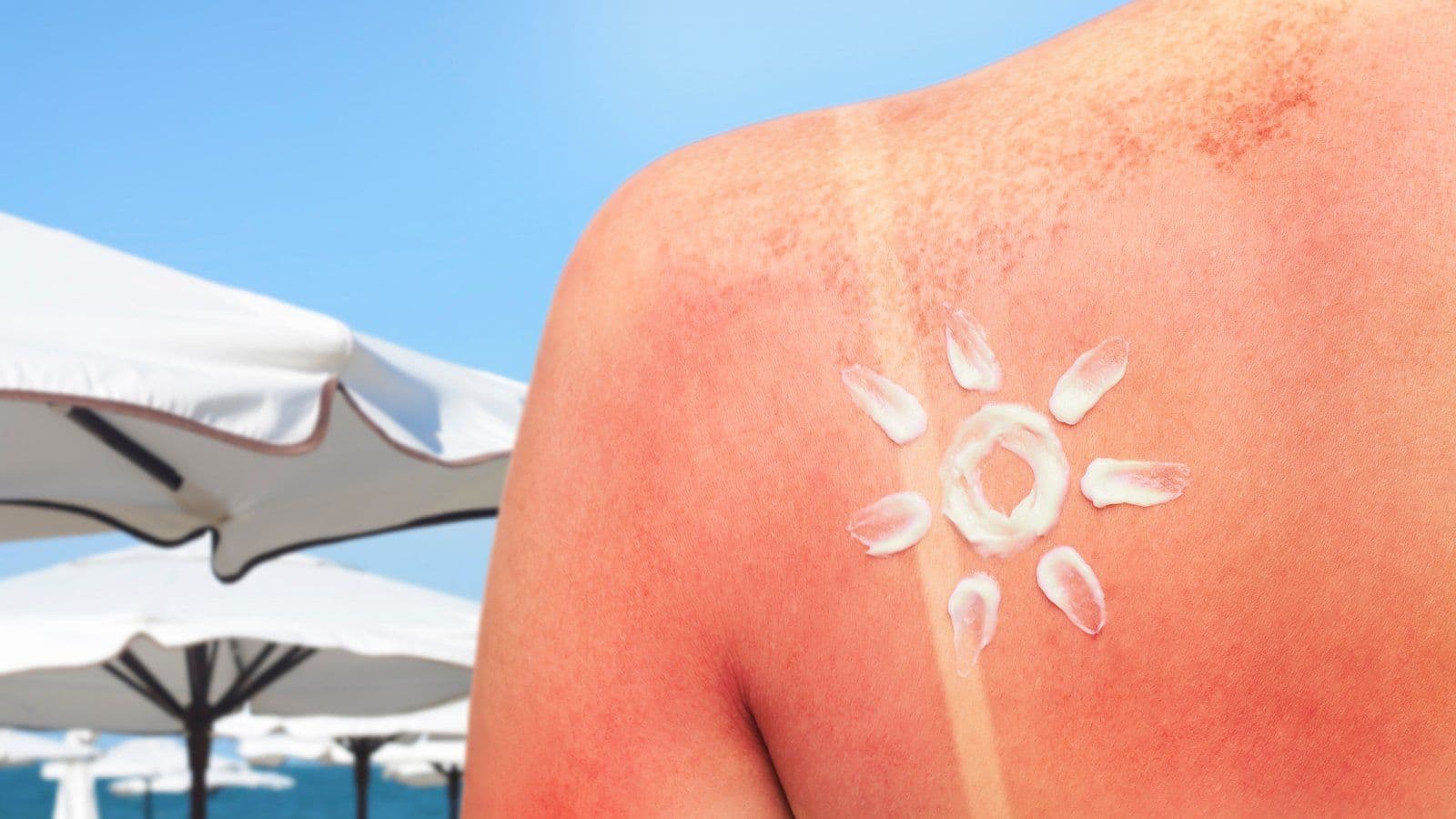
- ●Phototoxicity: the most common. The substance absorbs UV and releases energy that assaults the skin. The result: a painful erythema, like an exaggerated sunburn, on the exposed areas. It can occur in anyone, from the first exposure, and depends on the dose.
- ●Photoallergy: rarer. It's an immune-system reaction resembling eczema (redness, itching, sometimes beyond the exposed areas). It requires prior sensitisation.
2. The medications most often involved
The list is long and non-exhaustive; here are the main families to know:
| Family | Common examples | Good to know |
|---|---|---|
| Anti-inflammatories (NSAIDs) | Ketoprofen and diclofenac gels, ibuprofen, piroxicam | Gels are among the most photosensitising; the reaction is limited to the application area. |
| Antibiotics | Cyclines (doxycycline), fluoroquinolones, sulfonamides | Very common; caution throughout a summer course of treatment. |
| Diuretics & cardio | Hydrochlorothiazide, amiodarone, some calcium channel blockers | Long-term hydrochlorothiazide is associated with an increased risk of squamous cell carcinoma. |
| Antidepressants | SSRIs (fluoxetine, paroxetine), tricyclics | Background treatments often continued year-round: vigilance in summer. |
| Skin & acne | Isotretinoin, retinoids, benzoyl peroxide | The skin becomes thinner and markedly more sensitive to the sun. |
| Others | Statins, antidiabetics (sulfonylureas), some antifungals, PPIs | Non-exhaustive list: the leaflet and the pharmacist remain the references. |
3. The special case of the pill and hormones
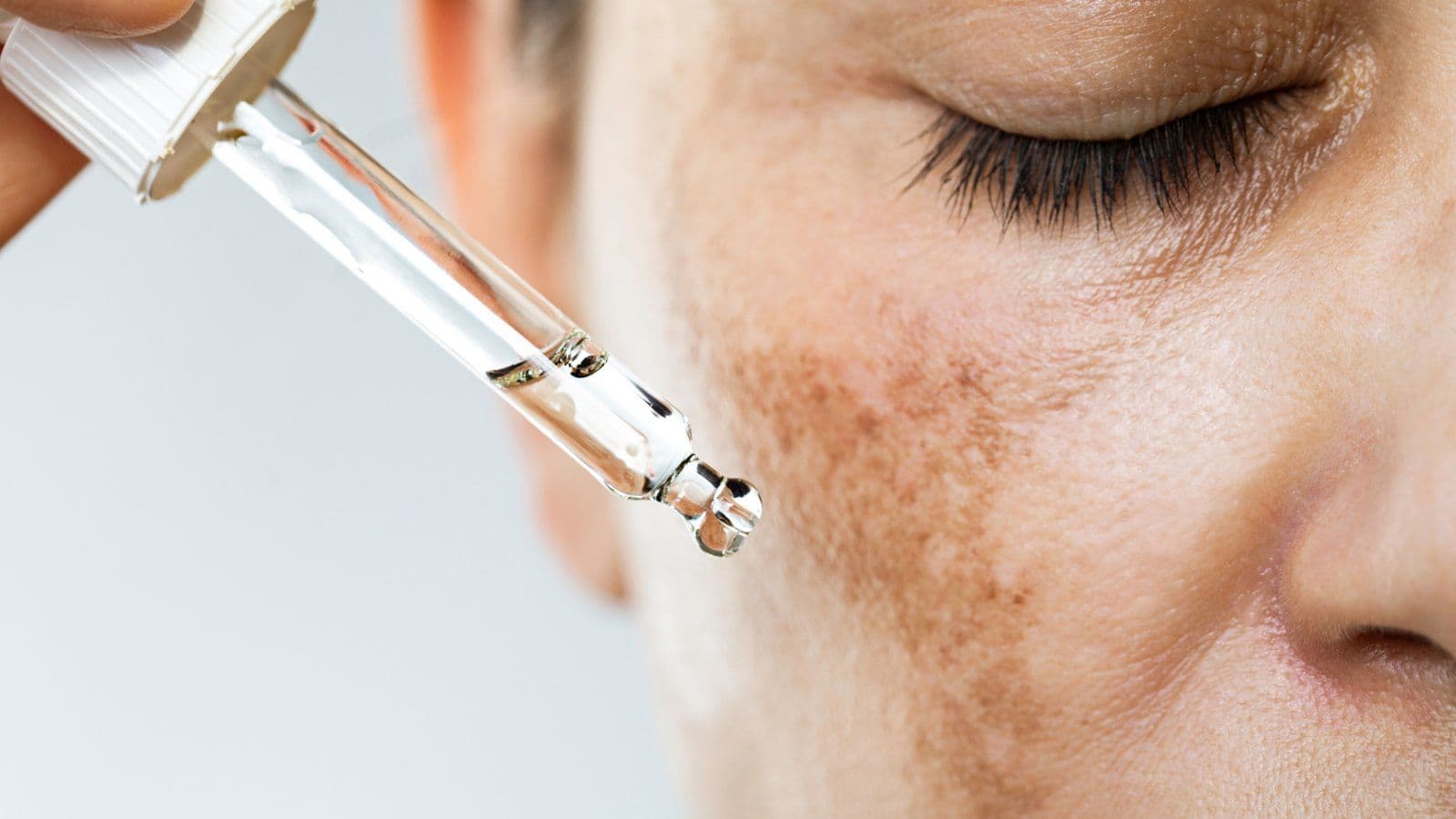
The contraceptive pill and hormone treatments don't cause classic phototoxicity, but they promote melasma, those brown facial patches also called "pregnancy mask." The sun then acts as a revealer: it stimulates pigmentation on a background made sensitive by hormones. To limit these often-stubborn patches, high daily facial sun protection is the best strategy, especially in spring and summer.
4. The key reflex: the pictogram and the leaflet
Before a sunny trip or the arrival of good weather, get into the habit of checking your medicine boxes. Photosensitising products carry a dedicated pictogram, a figure and a sun in a red triangle, on the box and in the leaflet. Its presence doesn't mean you must stop the treatment, but that reinforced protection is needed. In case of doubt, the pharmacist is the ideal contact: they can confirm the risk and advise on what to do.
5. How to protect yourself without giving up your treatment
A few simple measures are enough to reconcile treatment and sun:
- ●Broad-spectrum protection: SPF 50 sunscreen protecting against UVA and UVB, whatever your phototype, since both types of UV are involved.
- ●Cover rather than expose: clothes, hat and sunglasses remain the most effective barrier, especially at peak hours.
- ●Extend your vigilance: some medications take several days to be eliminated; keep protecting yourself for a while after stopping. For anti-inflammatory gels, avoid the sun on the treated area for up to two weeks after.
- ●React quickly: faced with unusual redness, blisters or itching after the sun, get into the shade and consult.
Mentioning all your treatments at a health check-up helps anticipate these interactions and adjust your protection accordingly, a detail that changes everything at holiday time.
Further reading
Related articles on the Iris Prévention blog:
- ●Knowing your phototype: the basis for tailored sun protection
- ●The sun capital: this invisible counter that never recharges
- ●Skin cancer: understanding, spotting and preventing the most common cancer
- ●ANSM, Medications that sensitise the skin to the sun
💡 Key tips
- A photosensitivity reaction looks like an exaggerated sunburn (sometimes with blisters), on the exposed areas only and unrelated to time spent outside. If it happens to you, think first of your medications.
- The free reflex before summer: spot the "photosensitisation" pictogram on the box or leaflet (a figure and a sun in a red triangle). Its presence signals you should double your protection.
- Anti-inflammatory gels (ketoprofen, diclofenac) are among the riskiest. The rule is to avoid the sun on the treated area throughout the treatment and about two weeks after stopping.
- A surprise: some sunscreen filters can themselves be photo-allergens. And on your plate or in the garden, lemon, bergamot, celery or St John's wort also sensitise the skin.
- Never stop a treatment on your own. Talk to your doctor or pharmacist: they'll adjust protection or propose an alternative. Since some medications take days to clear, keep protecting yourself after stopping.
Sources and references
- ●ANSM, Main families of medications that sensitise the skin to the sun (2024)
- ●French Society of Dermatology, List of photosensitising medications (Barbaud, Tréchot, Béani)
- ●VIDAL, Medications and sun: phototoxicity and photoallergy
- ●Regional pharmacovigilance centres, Drug-induced photosensitisation and prevention