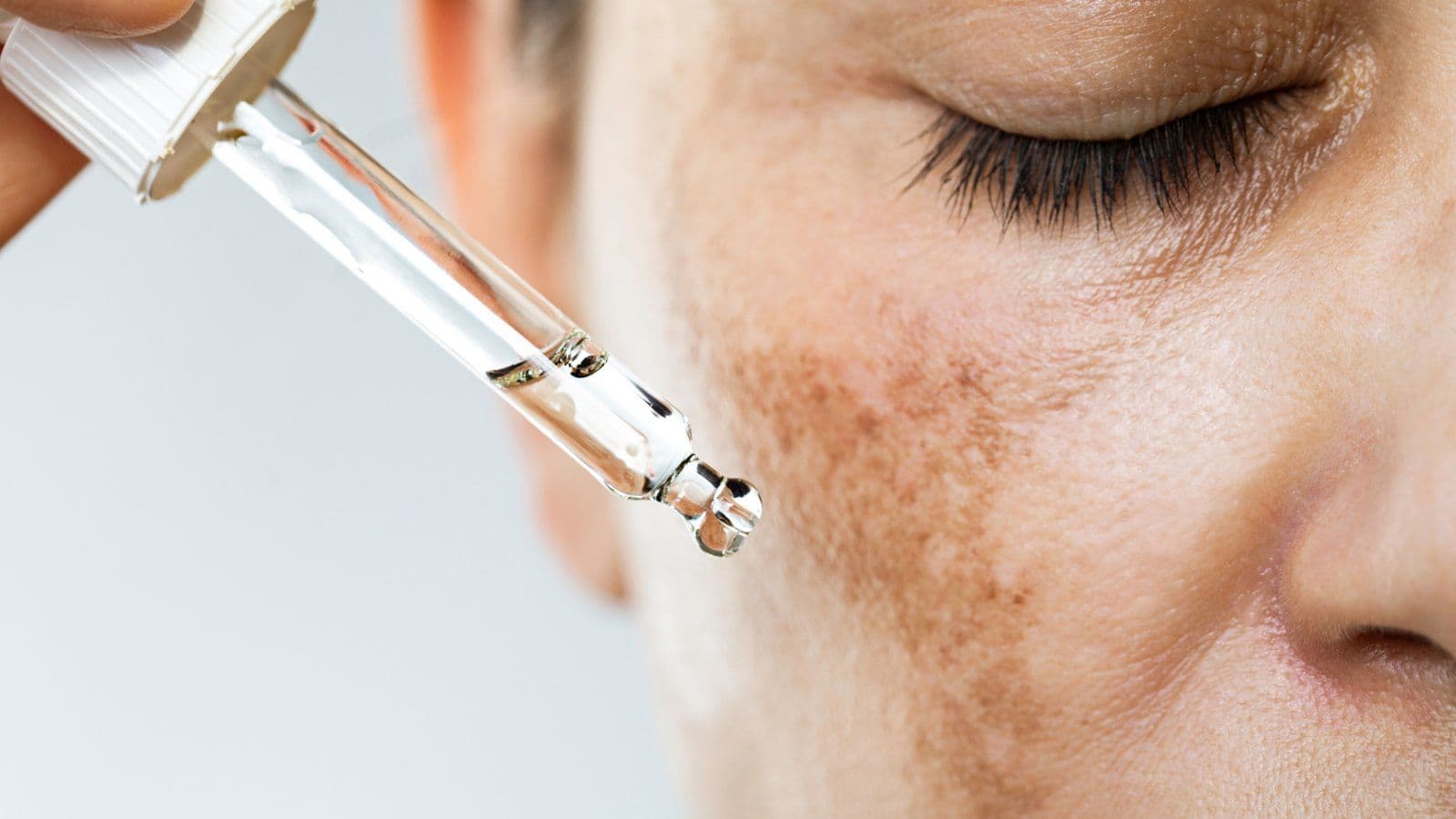
These two skin conditions have a lot in common: they're chronic, inflammatory, evolve in flare-ups and, above all, aren't contagious. They affect millions of people in France. Their causes, appearance and management nonetheless differ. Understanding these differences helps you live better with them, and it's also why your check-up looks at a possible psoriasis or an atopic background (eczema, asthma, allergies).
1. Two diseases, one shared inflammatory basis
Eczema and psoriasis both result from an overreaction of the immune system that inflames the skin. They're chronic diseases, alternating flare-ups and lulls, which are managed rather than definitively "cured." A fundamental point, too often ignored: neither is contagious. You don't catch them by shaking a hand or sharing a towel. Recalling this already eases the social burden weighing on those affected.
2. Eczema: dry, itchy skin
Atopic eczema shows up as dry skin, poorly defined red patches and, above all, often intense itching (pruritus). In a flare-up, the lesions can ooze and form small vesicles. It affects about 2.5 million people in France, frequently begins in early childhood (often on the infant's face, then in the creases of the elbows and knees) and generally improves with age, though it can persist or appear in adulthood. Triggers are many: skin dryness, cold, allergens (dust mites, pollen, animal hair), harsh soaps, wool, stress.
3. Psoriasis: thick plaques with silvery scales
Psoriasis affects about 2 to 3% of the population. It's recognised by well-defined, thick red plaques covered with white to silvery scales that flake off, the result of an overly rapid renewal of the epidermis. Its favourite sites differ from eczema's: elbows, knees, scalp, lower back and nails. Occurring on a favourable genetic background, it can be triggered or worsened by stress, an infection, cold, certain medications or skin trauma. It's a sometimes-systemic disease that can be accompanied by joint involvement and other comorbidities.
4. How to tell them apart
A few markers help point the way, bearing in mind that only a professional makes the diagnosis, especially as the two diseases can coexist:
| Criterion | Eczema (atopic dermatitis) | Psoriasis |
|---|---|---|
| Appearance of plaques | Red, poorly defined, sometimes oozing with small vesicles | Red, well-defined, thick and raised |
| Scales | Fine or absent | Thick, white to silvery |
| Itching | Often intense | Moderate, sometimes a burning sensation |
| Typical location | Creases (elbows, knees), face in infants | Elbows, knees, scalp, lower back, nails |
| Background | Atopic (asthma, rhinitis, allergies) | Genetic predisposition, possible associated diseases |
5. Soothing day to day: the right reflexes
While you don't "cure" these diseases, you can control them very well. A few principles apply in both cases:
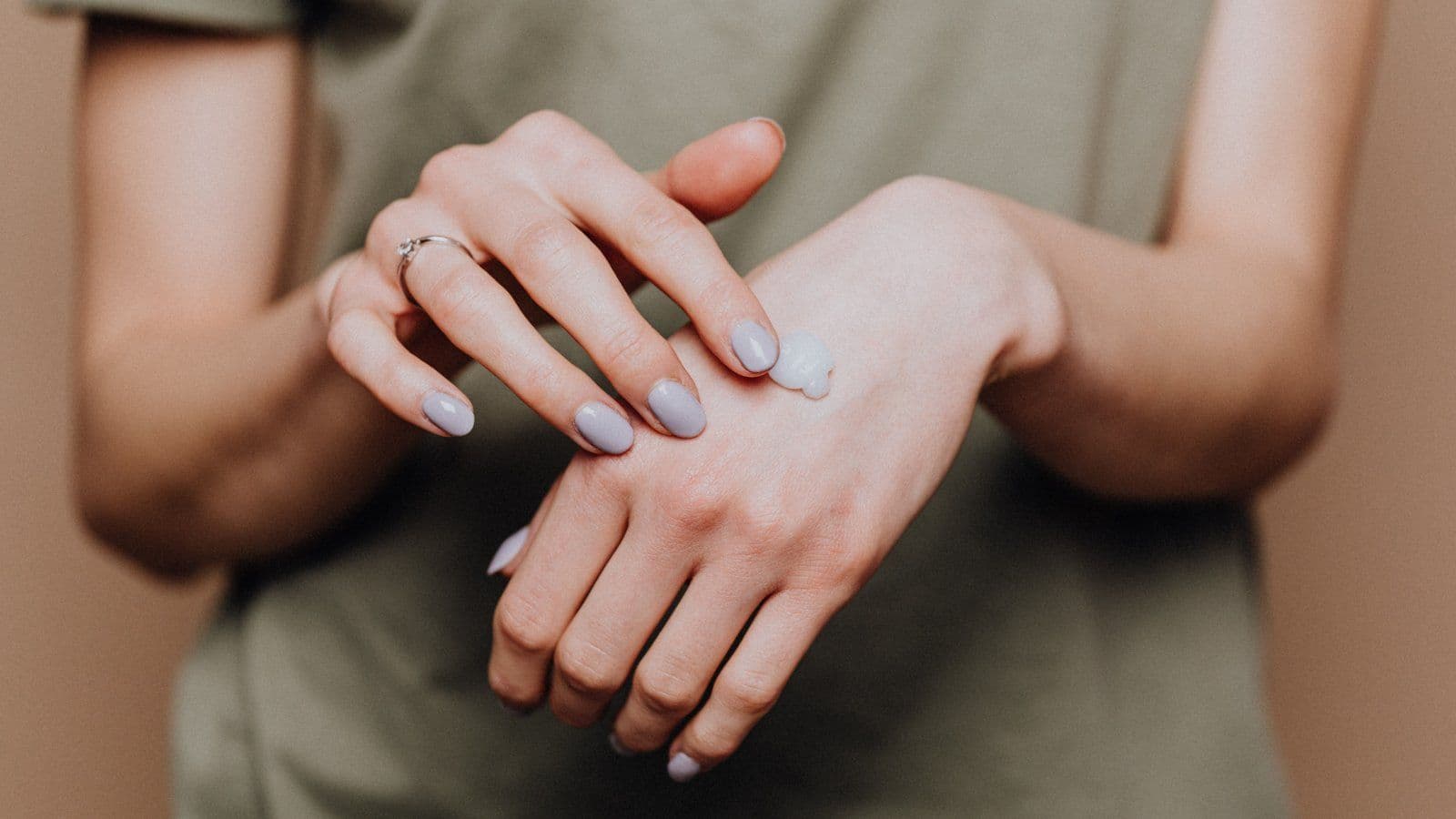
- ●Moisturise every day: emollients restore the skin barrier and space out flare-ups. It's the foundation of treatment.
- ●Treat flare-ups with the prescribed products, without prolonging them or stopping too early: the doctor adapts the strategy.
- ●Limit triggers: gentle hygiene, lukewarm water, cotton clothes, stress management, and for psoriasis, caution with tobacco and alcohol.
- ●Avoid scratching: scratching worsens eczema and can make new psoriasis plaques appear.
Beyond the skin, these diseases affect sleep, mood and social life, which shouldn't be downplayed. Talking about them at your health check-up allows the situation to be assessed as a whole and, if needed, to steer you toward suitable dermatological follow-up.
Further reading
Related articles and resources on the Iris Prévention blog:
- ●Knowing your phototype: the basis for tailored sun protection
- ●Sensitive and reactive skin: understanding and soothing skin that reacts
- ●French Eczema Association, information and practical advice
- ●France Psoriasis, living with psoriasis day to day
💡 Key tips
- Neither eczema nor psoriasis is contagious. You don't "catch" them by contact with another person: they're inflammatory diseases, not infections. An essential message to spread around you.
- The right anti-eczema move: apply the emollient to still-slightly-damp skin, right after a lukewarm shower (never scalding), to lock in hydration. And prefer cotton to wool, which irritates.
- Atopic eczema often fits into an "atopic march": it can precede or accompany asthma or allergic rhinitis. Hence the value of discussing it holistically at a check-up.
- Psoriasis isn't just a skin matter: it's sometimes accompanied by joint involvement and comorbidities. The Koebner phenomenon also explains why new plaques appear where the skin has been scratched or injured, so it's better not to scratch.
- In both cases, daily moisturising with emollients is the foundation, and targeted treatments are reserved for flare-ups. Self-diagnosis has its limits: a dermatologist confirms the disease and adapts the management.
Sources and references
- ●French Society of Dermatology, Atopic dermatitis and psoriasis
- ●French Eczema Association, Eczema or psoriasis: how to tell the difference?
- ●French Health Insurance (ameli.fr), Atopic eczema and psoriasis
- ●INSERM, Atopic dermatitis and psoriasis: mechanisms and management